Exploring Morocco: A Comprehensive Travel Guide
Exploring Morocco: A Comprehensive Travel Guide
Morocco, a land of vibrant colors, rich culture, and breathtaking landscapes, offers a unique travel experience. From the bustling souks of Marrakech to the tranquil deserts of the Sahara, Morocco is a destination that promises adventure and discovery. Whether you’re seeking cultural immersion, luxury, or a taste of local cuisine, this guide will help you navigate your Moroccan journey with ease. Morocco’s allure lies in its diverse offerings. It’s a place where history, culture, and natural beauty converge. Here’s why you should consider Morocco for your next adventure:
Cultural Richness
Morocco’s cultural tapestry is woven with threads of Arab, Berber, and French influences. Each city and village tells its own story, from the ancient medinas to the contemporary art scenes. The architecture, with its intricate mosaics and vibrant colors, reflects centuries of historical evolution. Visitors can immerse themselves in the local way of life by participating in cultural festivals and engaging with friendly locals who are eager to share their stories.Stunning Landscapes
The diverse landscapes of Morocco are a testament to its natural beauty. The towering Atlas Mountains offer panoramic views and exciting hiking opportunities for adventure seekers. In contrast, the serene beaches along the Atlantic and Mediterranean coasts provide the perfect backdrop for relaxation. The Sahara Desert, with its golden dunes, offers a stark yet mesmerizing beauty, especially during sunrise and sunset when the colors of the sand shift dramatically.Exquisite Cuisine
Moroccan cuisine is a delightful fusion of flavors and aromas that captivate the senses. Each region boasts its own specialties, from the savory tagines of the north to the sweet pastries of the south. Street food vendors offer a taste of local favorites such as harira soup and freshly baked bread. Dining in Morocco is not just about the food; it is an experience that involves sharing and enjoying meals with family and friends, often accompanied by the soothing aroma of mint tea.Adventure Opportunities
Morocco is a playground for the adventurous at heart. The Sahara offers camel trekking and camping under the star-studded sky, creating memories that last a lifetime. For those who prefer the mountains, the Rif and Atlas ranges present excellent opportunities for hiking, rock climbing, and even skiing in the winter months. Coastal activities such as surfing and kite surfing are also popular, especially in the windy beaches of Essaouira and Agadir.Planning Your Trip
Best Time to Visit
The ideal time to visit Morocco depends on your interests. For pleasant weather, consider traveling in spring (March to May) or fall (September to November). The summer months can be scorching, especially in the desert regions, while winters might bring snow to the mountainous areas.Spring (March to May)
Spring in Morocco is a season of renewal and beauty. The temperatures are mild, and the landscapes are lush with blooming wildflowers. This is an ideal time for outdoor activities such as hiking, as the weather is neither too hot nor too cold. Festivals celebrating the new season are common, providing a glimpse into the vibrant cultural traditions of the region.Summer (June to August)
Summer can be a challenging time to visit Morocco due to the high temperatures, especially in the inland and desert areas. However, the coastal regions offer a pleasant escape with cooler breezes. This season is perfect for beachgoers and those looking to explore Morocco’s maritime heritage. Be sure to stay hydrated and protect yourself from the sun if you venture into the hotter areas.Fall (September to November)
Fall is another excellent time to explore Morocco. The weather is similar to spring, making it comfortable for sightseeing and outdoor adventures. The harvest season brings an abundance of fresh produce, enhancing the culinary experiences. This is also a time when many cultural festivals take place, allowing visitors to engage deeply with Moroccan traditions.Getting There
Major airports in Casablanca, Marrakech, and Rabat connect Morocco to various international destinations. Once in the country, domestic flights, trains, and buses offer convenient travel options between cities.International Flights
Morocco’s major international airports are well-connected to Europe, the Middle East, and North America, making it easily accessible for travelers worldwide. Airlines such as Royal Air Maroc, Air France, and British Airways frequently offer direct and connecting flights. Booking in advance can often yield better rates, especially during peak travel seasons.Domestic Travel
Once in Morocco, getting around is relatively straightforward. The train network is efficient and connects major cities, offering a comfortable and scenic way to travel. Buses are another economical option, with services reaching even the smaller towns. Car rentals are available for those who prefer the freedom to explore at their own pace, but it’s important to note that driving can be challenging due to local traffic conditions.Alternative Transport
For a more authentic experience, consider using local transport options such as shared taxis or «grand taxis,» which are a common mode of travel for locals. These taxis offer a unique way to interact with residents and gain insights into everyday Moroccan life. Additionally, many cities are pedestrian-friendly, allowing visitors to explore on foot or by bicycle.Visa Requirements
Most visitors can enter Morocco without a visa for stays up to 90 days. However, it’s essential to check the specific entry requirements based on your nationality.Visa-Free Entry
Citizens of several countries, including the United States, Canada, Australia, and most European nations, can enjoy visa-free entry into Morocco for up to 90 days. However, your passport must be valid for at least six months from your date of entry. It’s advisable to carry a copy of your travel itinerary and accommodation details, as these might be requested at immigration.Visa Application
If you require a visa, the process is relatively straightforward. Applications can be made through Moroccan embassies or consulates in your home country. It’s recommended to apply well in advance of your travel dates to avoid any delays. Ensure that you have all the necessary documentation, including a completed application form, passport-sized photos, and proof of accommodation and travel plans.Special Considerations
For longer stays or specific purposes, such as work or study, different visa categories are available. In such cases, additional documentation may be required, including invitations from Moroccan institutions or employers. Always verify the latest requirements with the Moroccan consulate or embassy to ensure a smooth entry process.Top Routes and Destinations

Marrakech
Marrakech, known as the «Red City» due to its red sandstone buildings, is a must-visit. Explore the bustling Jemaa el-Fnaa square, visit the stunning Bahia Palace, and take a leisurely stroll through the Majorelle Garden.Jemaa el-Fnaa
Jemaa el-Fnaa is the vibrant heart of Marrakech. By day, it is a bustling marketplace where you can find an array of goods from spices to traditional clothing. As the sun sets, the square transforms into a lively hub of street performers, musicians, and food vendors offering everything from grilled meats to freshly squeezed orange juice. The atmosphere is electric, making it a perfect spot for people-watching and soaking in the local culture.Bahia Palace
The Bahia Palace is an architectural masterpiece showcasing the grandeur of Moroccan design. Built in the late 19th century, the palace features exquisite gardens, intricately carved wooden ceilings, and stunning tile work. Visitors can wander through the opulent rooms and courtyards, imagining the lives of the sultans and their families who once resided there. It is a testament to Morocco’s rich history and artistry.Majorelle Garden
A peaceful oasis in the midst of the bustling city, Majorelle Garden offers a respite from the heat and noise of Marrakech. Created by French painter Jacques Majorelle, the garden is known for its cobalt-blue structures and exotic plant species. Today, it is owned by the fashion designer Yves Saint Laurent, whose ashes were scattered here. Visitors can enjoy a leisurely stroll through the lush pathways, taking in the vibrant colors and tranquil atmosphere.Fes
Fes is a city steeped in history and culture. Its medina is a UNESCO World Heritage site, filled with narrow alleys, historic sites, and vibrant souks. Don’t miss the Al-Qarawiyyin University, the oldest existing, continually operating higher educational institution in the world.Fes el Bali
Fes el Bali, the oldest part of the city, is a labyrinth of narrow alleys and bustling souks. As you wander through the medina, you’ll encounter artisans crafting traditional goods, from leather to ceramics. The atmosphere is one of organized chaos, with the sounds of traders and the aroma of spices filling the air. It’s a place where time seems to stand still, offering a glimpse into Morocco’s past.Al-Qarawiyyin University
Founded in 859 AD, Al-Qarawiyyin University is a symbol of Fes’s intellectual heritage. The university has played a crucial role in the development of Islamic education and is recognized as the oldest existing educational institution in the world. Visitors can admire the stunning architecture of the mosque and library, which house ancient manuscripts and texts. The university continues to be a center of learning and inspiration.Souks of Fes
The souks of Fes are a sensory delight, offering a wide range of goods from traditional crafts to modern fashion. Each alley specializes in different products, from leather goods to spices and textiles. Bargaining is a common practice, and visitors are encouraged to engage with the vendors to get the best deals. Exploring the souks is an adventure in itself, as you discover unique treasures and immerse yourself in the local culture.Sahara Desert
For an unforgettable adventure, embark on a Sahara Desert tour. Experience the magic of a camel trek, spend a night under the stars in a desert camp, and witness the mesmerizing sand dunes at sunrise.Camel Trekking
Camel trekking in the Sahara is an iconic Moroccan experience. As you ride through the golden dunes, you’ll feel a sense of awe and tranquility, surrounded by the vastness of the desert. The slow pace of the camels allows you to fully appreciate the breathtaking landscapes and the quiet beauty of the Sahara. It’s an opportunity to disconnect from the modern world and connect with nature.Desert Camps
Spending a night in a desert camp is a highlight of any Sahara adventure. The camps offer traditional Berber hospitality, with comfortable tents and delicious meals prepared over an open fire. As night falls, the sky comes alive with stars, creating a stunning backdrop for storytelling and music around the campfire. It’s an experience that captures the magic and mystery of the desert.Sunrise Over the Dunes
Witnessing the sunrise over the Sahara dunes is a moment of pure wonder. As the first light of day touches the sand, the dunes shift in color from deep orange to golden yellow. The silence of the desert is broken only by the sound of the wind, creating a sense of peace and reflection. It’s a sight that leaves a lasting impression, reminding you of the beauty and power of nature.Chefchaouen
Known as the «Blue City,» Chefchaouen is famous for its striking blue-washed buildings. It’s a photographer’s paradise and a perfect spot for relaxation and exploration.The Blue Streets
The streets of Chefchaouen are a visual delight, with every shade of blue imaginable. This unique color scheme is said to have been introduced by Jewish refugees in the 1930s, symbolizing the sky and heaven. As you wander through the narrow alleys, you’ll discover charming nooks and crannies, each more picturesque than the last. It’s a place where photographers can capture the essence of Morocco’s artistic spirit.Local Crafts
Chefchaouen is renowned for its local crafts, including woven blankets, pottery, and leather goods. The town’s artisans are skilled in traditional techniques, producing high-quality items that make perfect souvenirs. Visitors can explore the small shops and markets, engaging with craftsmen who are eager to share their knowledge and passion for their work. It’s a chance to support local communities and take home a piece of Morocco’s heritage.Natural Surroundings
Nestled in the Rif Mountains, Chefchaouen is surrounded by stunning natural beauty. The nearby Akchour Waterfalls offer a refreshing escape, with hiking trails leading to crystal-clear pools. The region is also home to the Talassemtane National Park, where visitors can explore diverse landscapes and wildlife. It’s an ideal destination for nature lovers and those seeking tranquility away from the bustling cities.Experiencing Moroccan Culture
Traditional Markets (Souks)
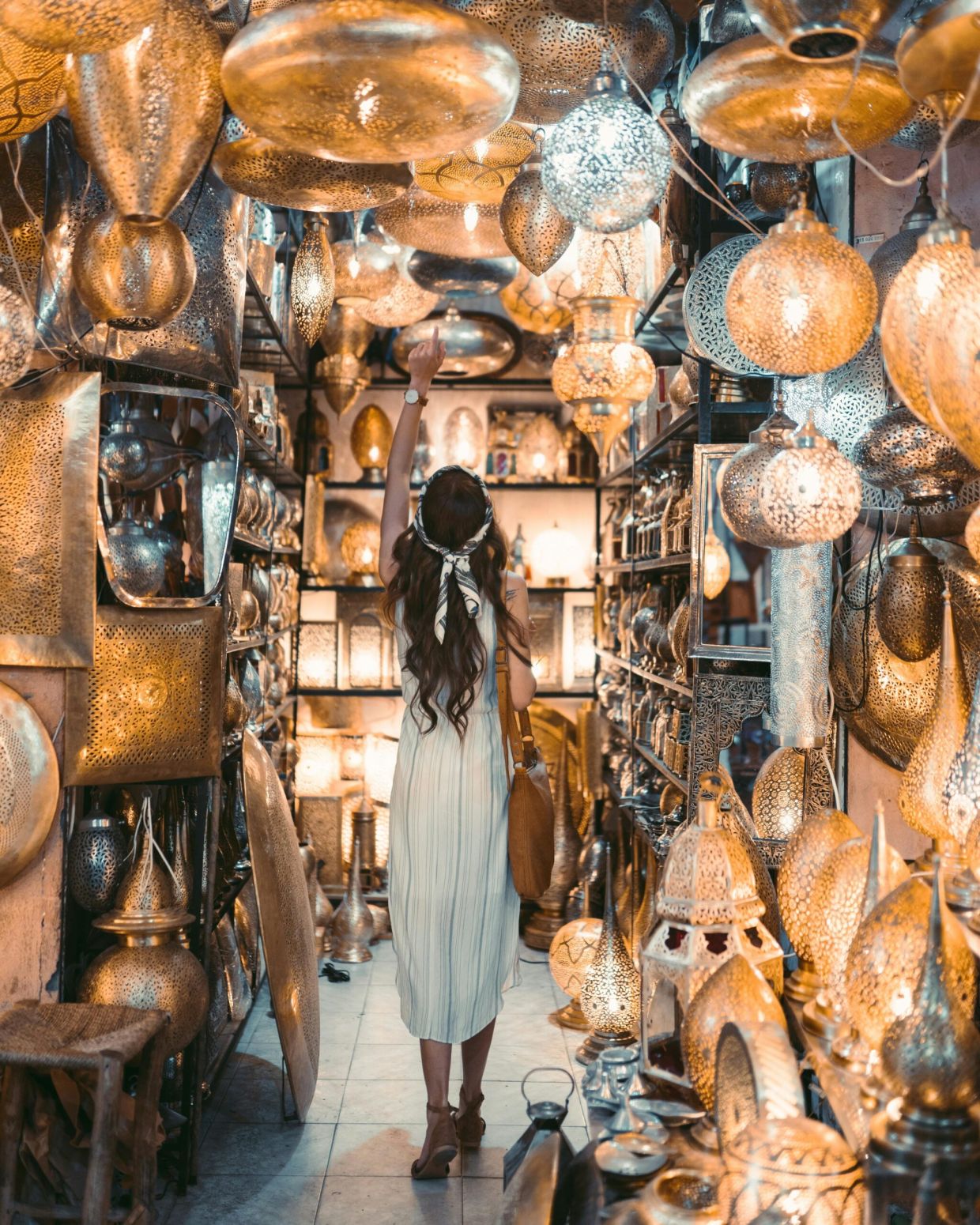
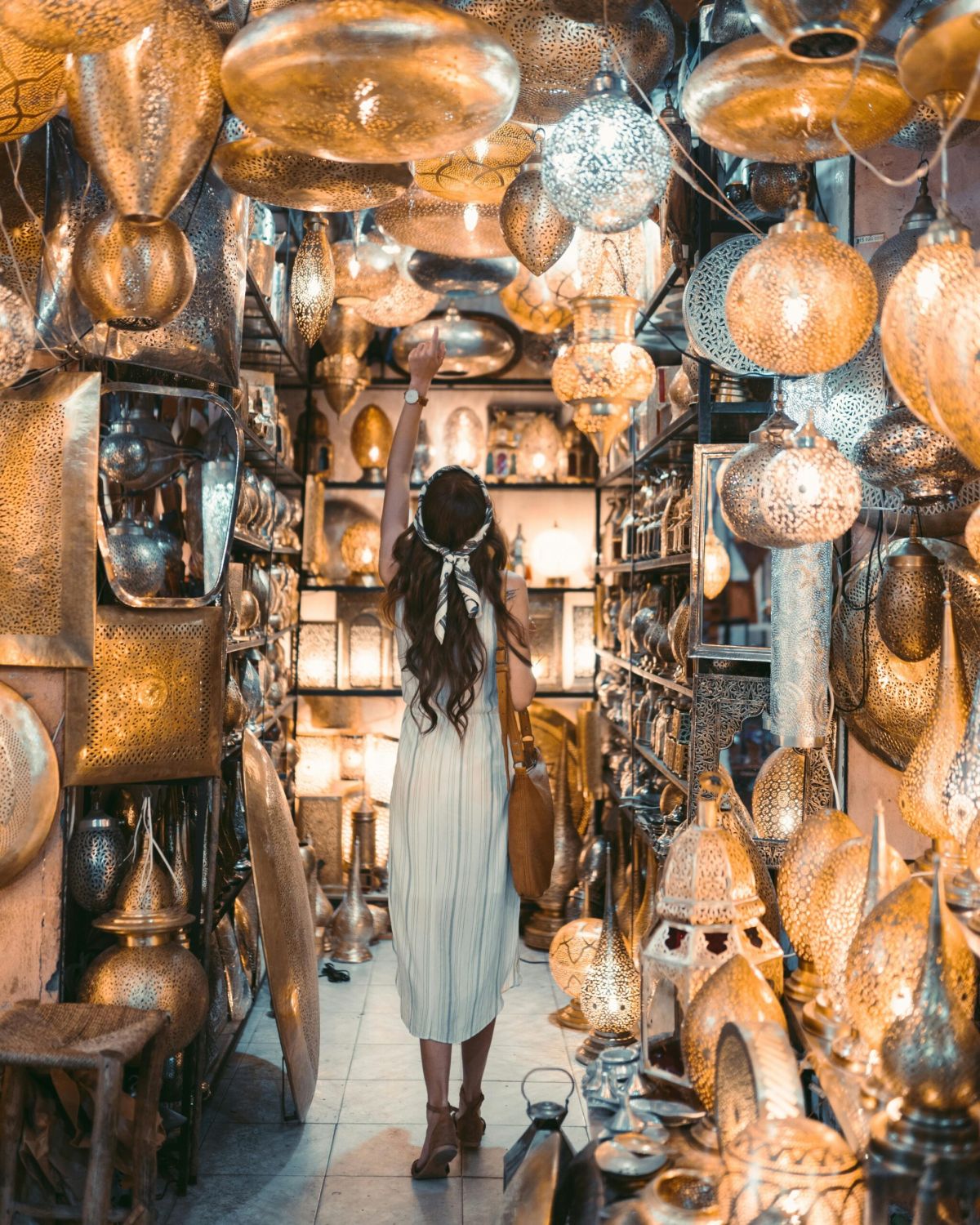
The souks of Morocco are a sensory delight. Bargain for spices, textiles, jewelry, and pottery. Each city has its own unique souk experience, from the labyrinthine alleys of Fes to the vibrant stalls of Marrakech.The Art of Bargaining
Bargaining is an integral part of the shopping experience in Moroccan souks. It’s a skillful dance between buyer and seller, each trying to reach a mutually satisfying price. Visitors should approach bargaining with a sense of humor and patience, as it’s seen as a social interaction rather than a mere transaction. Successful bargaining often results in a deeper appreciation for the goods purchased and the stories behind them.Unique Finds
Each souk offers a treasure trove of unique finds, from handwoven rugs to intricate metalwork and colorful ceramics. The variety of goods reflects the rich cultural heritage of Morocco and the craftsmanship of its artisans. Visitors can explore the different sections of the souks, discovering rare and beautiful items that make perfect mementos of their journey.Souk Etiquette
Respecting local customs and etiquette is important when visiting Moroccan souks. Visitors should dress modestly and ask for permission before taking photos of vendors and their wares. It’s also polite to greet vendors with a friendly «salaam» and engage in small talk before discussing prices. This approach fosters goodwill and enhances the overall shopping experience.Moroccan Cuisine
Indulge in the flavors of Morocco. Try traditional dishes like lamb tagine, harira soup, and pastilla. Don’t forget to sip on refreshing mint tea, a staple of Moroccan hospitality.Traditional Dishes
Moroccan cuisine is a rich tapestry of flavors and aromas, with traditional dishes that are both comforting and exotic. Tagine, a slow-cooked stew named after the earthenware pot it’s cooked in, comes in various forms, such as lamb with prunes or chicken with preserved lemons. Harira, a hearty soup often served during Ramadan, is a flavorful blend of tomatoes, lentils, and spices. Each dish tells a story of Morocco’s culinary heritage and the influence of diverse cultures.Street Food Delights
Street food is an integral part of Moroccan cuisine, offering a taste of local life and flavors. Vendors line the streets with stalls selling freshly baked bread, grilled meats, and savory pastries. A popular choice is the Moroccan sandwich, filled with marinated meats and vegetables. Street food provides an opportunity to sample a variety of dishes and engage with locals in a vibrant setting.The Ritual of Mint Tea
Mint tea, often referred to as «Moroccan whiskey,» is a symbol of hospitality and friendship. The preparation and serving of mint tea is a ritual that reflects the warmth and generosity of Moroccan culture. Served in small glasses, the tea is a refreshing blend of green tea, fresh mint leaves, and sugar. Visitors are often invited to share a pot of mint tea, fostering connections and conversations.Festivals and Events
Morocco hosts numerous festivals celebrating its rich culture and heritage. The Fes Festival of World Sacred Music and the Marrakech International Film Festival are just a few events that highlight the country’s artistic spirit.Fes Festival of World Sacred Music
The Fes Festival of World Sacred Music is a celebration of spiritual and musical diversity. Held annually in the historic city of Fes, the festival brings together artists from around the world to perform in stunning venues, from ancient palaces to lush gardens. The event is a testament to Morocco’s commitment to cultural exchange and harmony, offering a unique opportunity to experience the transformative power of music.Marrakech International Film Festival
The Marrakech International Film Festival is a prestigious event that attracts filmmakers, actors, and cinephiles from around the globe. The festival showcases a diverse range of films, from international blockbusters to independent productions, reflecting the richness of global cinema. Held in the vibrant city of Marrakech, the event provides a platform for cultural dialogue and artistic innovation.Traditional Celebrations
In addition to international events, Morocco is home to numerous traditional festivals that celebrate its rich heritage. The Imilchil Marriage Festival, for example, is a unique Berber celebration where young couples gather to seek love and marriage. The Moussem of Tan-Tan, a UNESCO-recognized cultural festival, brings together tribes from across the Sahara to celebrate their shared traditions. These events offer a glimpse into the vibrant tapestry of Moroccan culture and the importance of community.Luxury Travel in Morocco
 For those seeking luxury, Morocco offers a range of high-end experiences. Stay in opulent riads, enjoy private tours of historic sites, and dine in gourmet restaurants. Indulge in a spa treatment featuring traditional Moroccan hammam rituals for ultimate relaxation.
Opulent Accommodations
Morocco’s luxury accommodations are as varied as its landscapes, offering a blend of tradition and modernity. Riads, traditional Moroccan houses with interior courtyards, have been transformed into luxurious boutique hotels. These opulent spaces feature exquisite architecture, lush gardens, and personalized service. For those seeking ultimate privacy, exclusive resorts and villas provide a secluded retreat amidst stunning natural settings.Exclusive Experiences
Luxury travelers can enjoy a range of exclusive experiences tailored to their interests. Private tours of historic sites offer an intimate look at Morocco’s rich heritage, guided by knowledgeable experts. Gourmet dining experiences showcase the finest Moroccan and international cuisine, paired with exceptional wines. For a unique adventure, consider a hot air balloon ride over the desert or a private yacht charter along the coast.Spa and Wellness Retreats
Morocco’s wellness offerings are rooted in ancient traditions, providing a sanctuary for relaxation and rejuvenation. Traditional hammam rituals, featuring steam baths and exfoliating treatments, are a highlight of any spa experience. Visitors can indulge in massages using argan oil, a local specialty known for its nourishing properties. Wellness retreats offer yoga and meditation sessions in serene settings, promoting a holistic approach to well-being.Essential Travel Tips
- Respect Local Customs: Dress modestly, especially in rural areas. When visiting religious sites, ensure you’re appropriately covered.
- Stay Safe: While Morocco is generally safe, it’s wise to stay vigilant in crowded places and be cautious of pickpockets.
- Currency and Payment: The Moroccan dirham (MAD) is the local currency. While major cities accept credit cards, it’s advisable to carry cash in smaller towns and markets.
Respect Local Customs
Morocco is a country with a rich cultural heritage, and respecting local customs is essential for a positive travel experience. Modesty in dress is particularly important, especially for women, to avoid unwanted attention and show respect for local traditions. When visiting religious sites, such as mosques and shrines, both men and women should ensure their shoulders and knees are covered. Engaging with locals and showing appreciation for their culture enhances the overall experience.Stay Safe
Morocco is generally a safe destination for travelers, but it’s important to remain vigilant, especially in crowded areas. Petty crime, such as pickpocketing, can occur in busy markets and tourist hotspots. Travelers should keep their belongings secure and be cautious when using public transportation. It’s also advisable to avoid walking alone in unfamiliar areas at night and to seek local advice on safe places to explore.Currency and Payment
The Moroccan dirham (MAD) is the official currency, and it’s best to carry cash for transactions in smaller towns and markets. Major cities have ATMs that accept international cards, and credit cards are widely accepted in hotels and upscale restaurants. However, bargaining in souks and purchasing from local vendors often require cash. It’s wise to carry small denominations for convenience and to avoid difficulties with change.Final Thoughts
Morocco is a country that captivates the heart and soul. Whether you’re exploring its vibrant cities, embarking on a desert adventure, or savoring its culinary delights, Morocco promises an experience like no other. With this comprehensive guide, you’re well-equipped to embark on a journey that will leave you with memories to last a lifetime. So pack your bags and get ready to explore the wonders of Morocco.Embrace the Experience
Traveling to Morocco is an opportunity to embrace a world of contrasts and surprises. From the bustling energy of the cities to the tranquil beauty of the landscapes, each day presents new adventures and discoveries. Take the time to engage with locals, learn about their customs, and appreciate the nuances of Moroccan life. The memories you create will be enriched by the people you meet and the stories you share.Capture the Moments
Morocco offers countless opportunities for photography, from the vibrant colors of the souks to the stunning vistas of the desert and mountains. Capture the essence of your journey through photos that tell the story of your experiences. Whether it’s the intricate details of Moroccan architecture or the candid moments of everyday life, each image will serve as a cherished reminder of your travels.Leave a Positive Impact
Travel responsibly and leave a positive impact on the communities you visit. Support local businesses, engage in cultural exchanges, and respect the environment. By doing so, you’ll contribute to the preservation of Morocco’s rich heritage and ensure that future generations can enjoy its wonders. Your journey can be a force for good, fostering understanding and connection across cultures. Marruecos Viaje